Donate
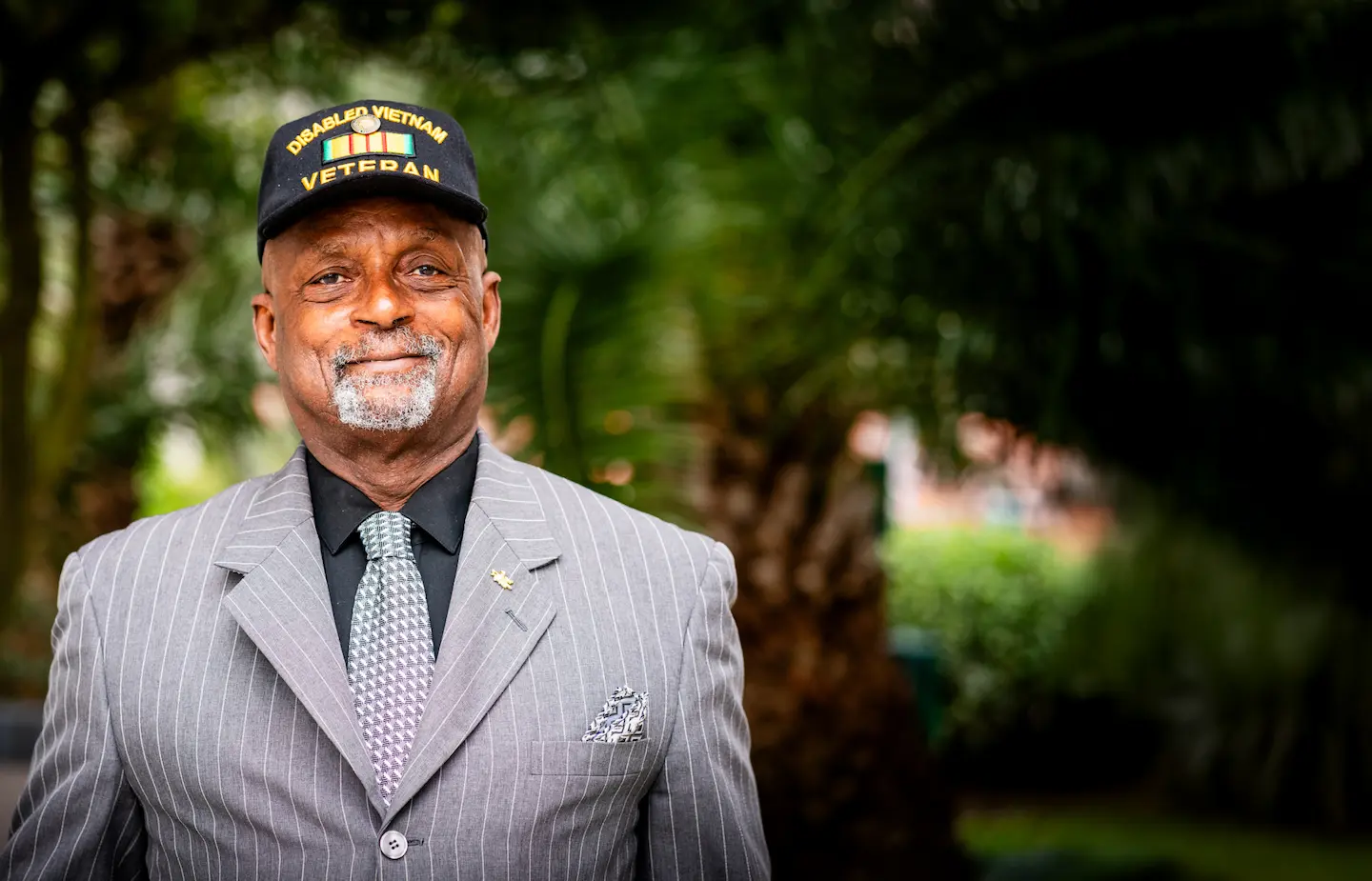
Scott Minton looking upward with his hands clasped

Eyes on The Prize

Scroll to Begin
Hear from Our Executive Director

In all the turmoil of FY25, it was particularly important for us to stay the course and keep our eyes on the prize. And we did. Hear more from our Executive Director Christina Swarns about the continued fight for fair, compassionate, and equitable systems of justice.

Restoring Freedom

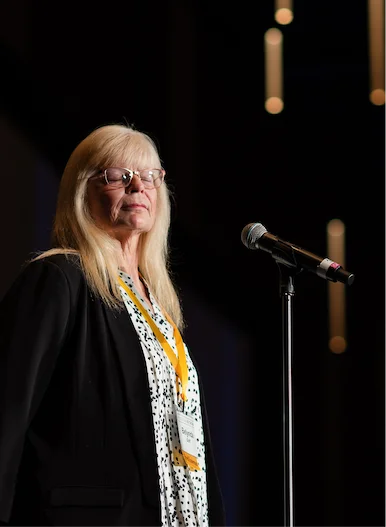
Sandra Hemme
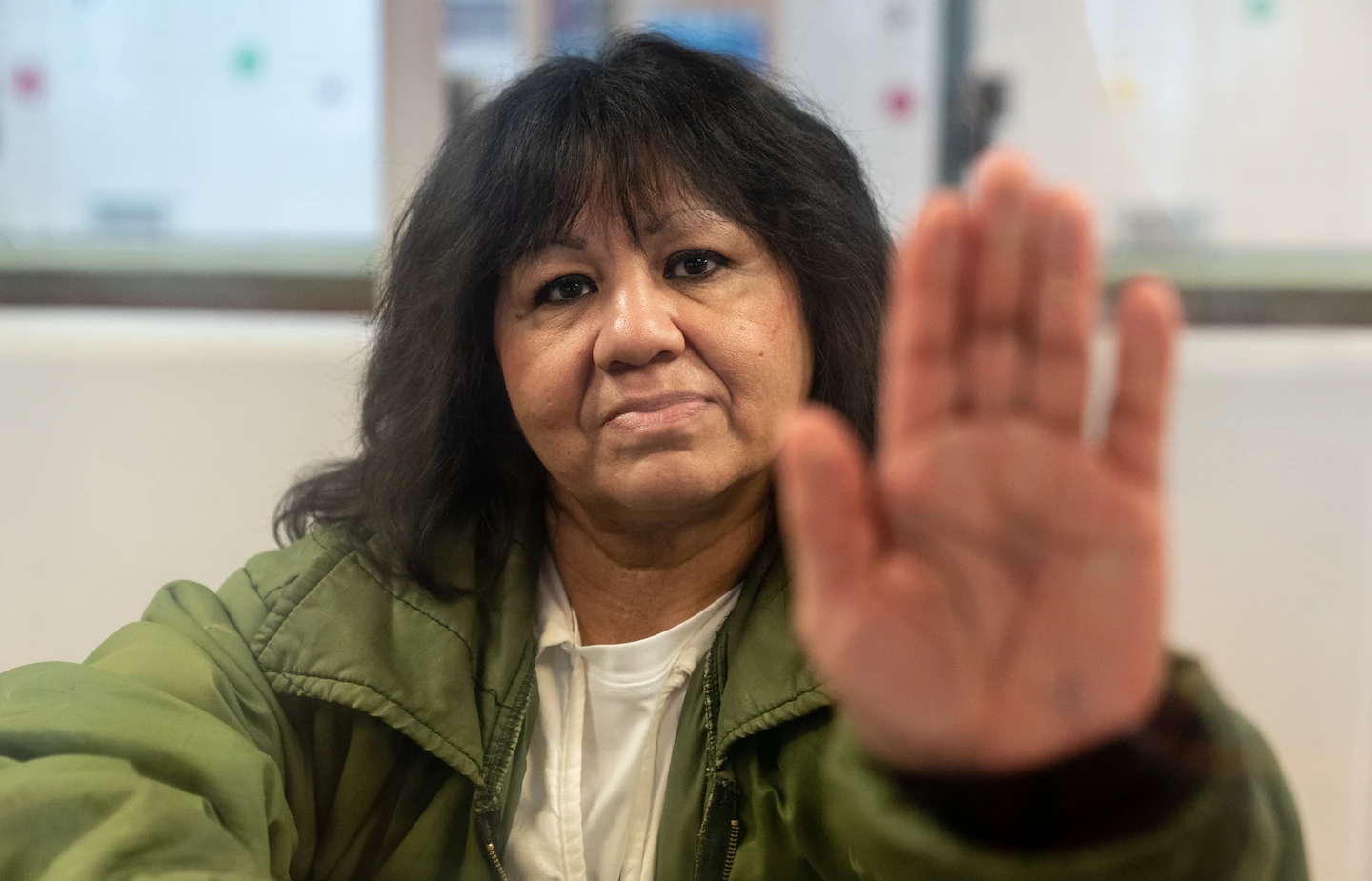
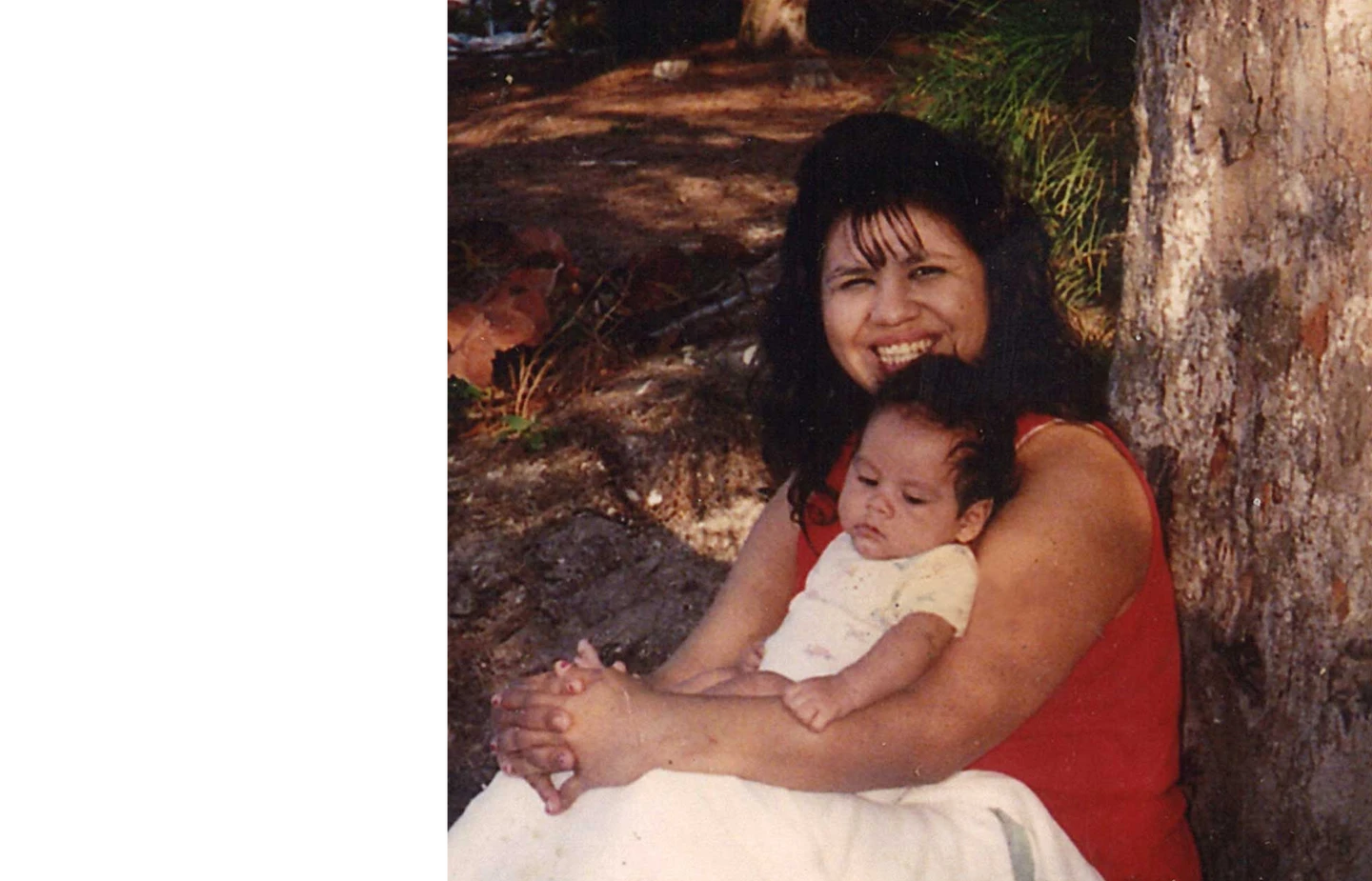
Melissa Lucio
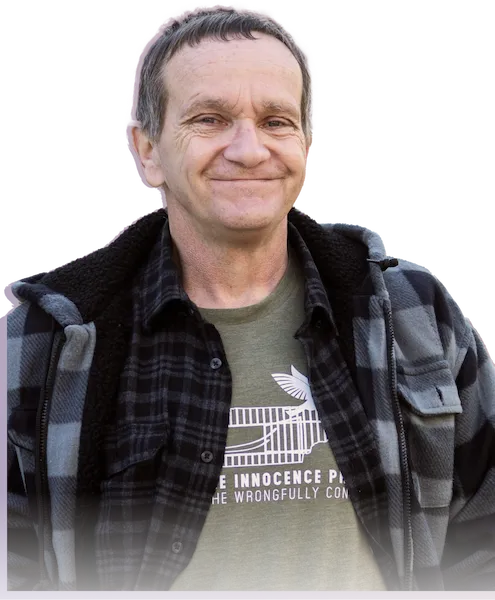
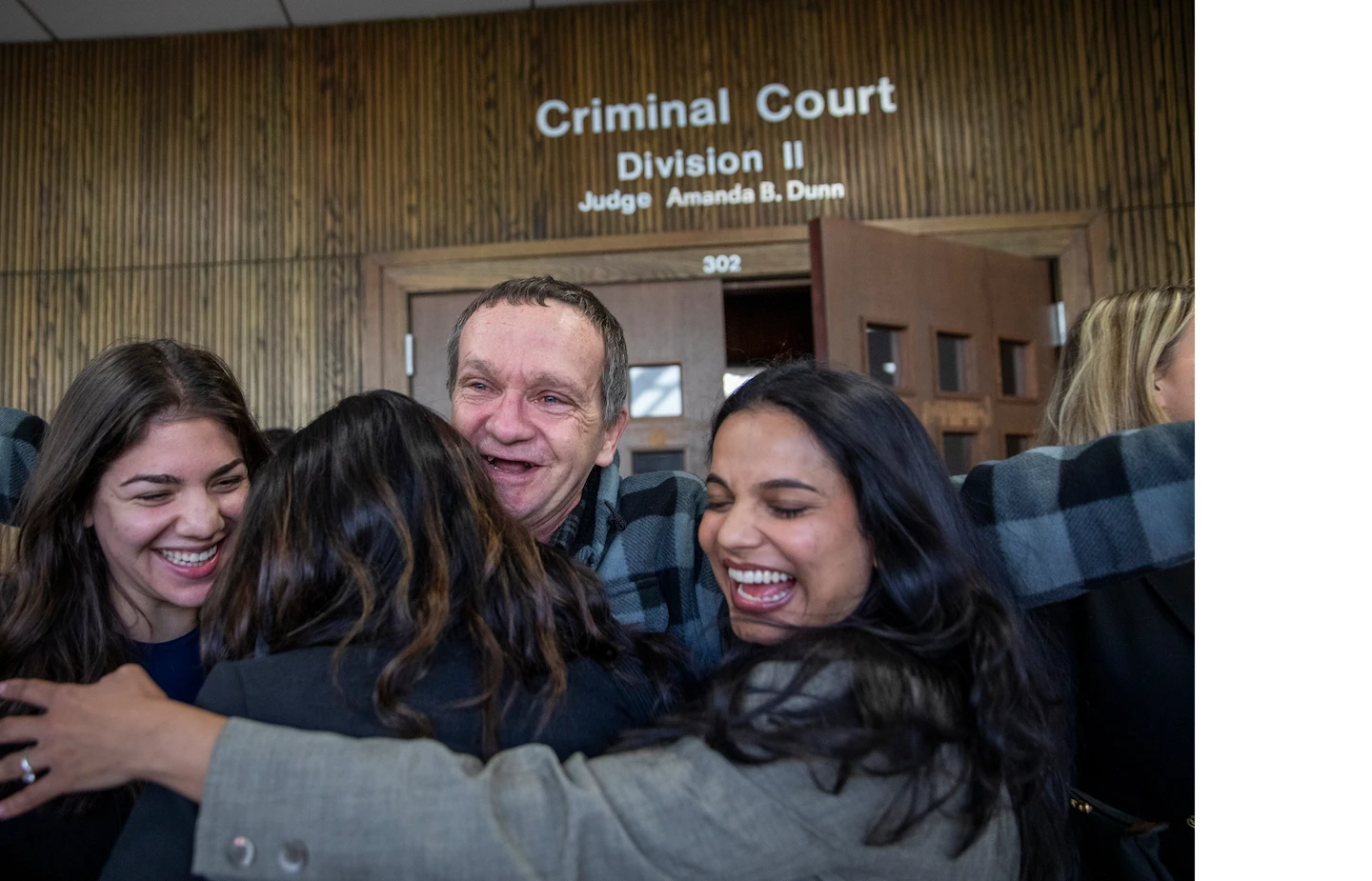
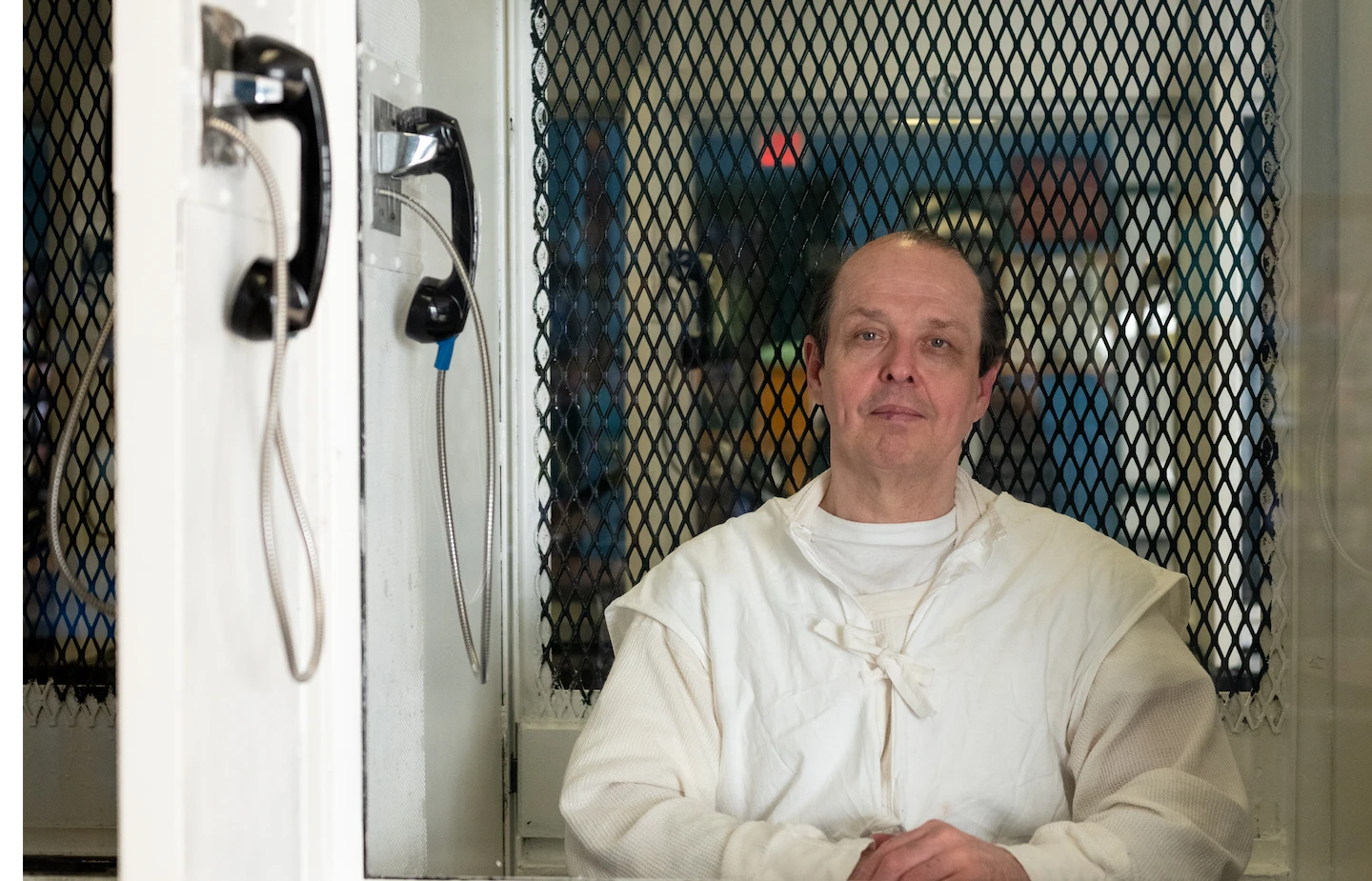
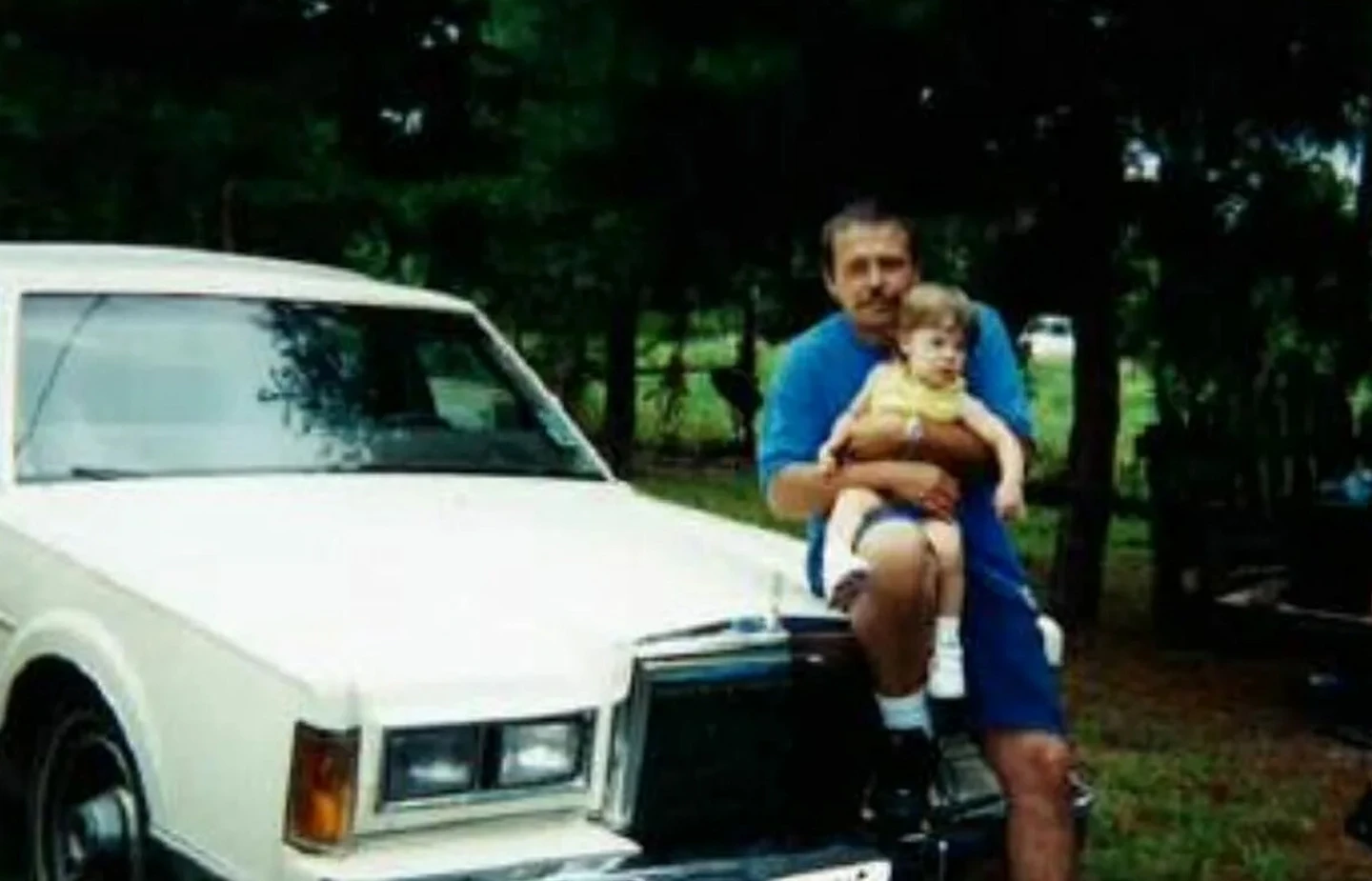
Scott Minton
flying birds decorative motif

In the face of a challenging and volatile legal and political environment, we took decisive action to expose and overturn wrongful convictions — working with partners nationwide and drawing on new advances in scientific research to challenge unreliable forensic methods and evidence.

Our work always begins with the intake team, which reviews approximately 2,000 requests for representation every year to identify as many potential wrongful conviction cases as possible. This year, we collaborated with experts in emerging technologies to develop tools that translate handwritten letters to typeface and quickly organize case files — allowing our team to respond more quickly to the people that reach out to us. 

At the same time, our attorneys, working with co-counsel, secured two exonerations and critical breakthroughs for Melissa Lucio, who came within days of execution just three years ago, and Robert Roberson, whose execution was stayed just one week before its scheduled date. 

Because we know that the path to freedom does not end at release, our social work team supported approximately 40 clients as they faced the challenges and opportunities of adjusting to life after release and exoneration. This included covering the costs of housing and basic needs, hosting regular support groups, and launching a comprehensive online resource.

Sandra Hemme

Exonerated: December 2024
Time Served: 43 years
Scroll to Read the Story

Scott Minton

Exonerated: January 2025
Time Served: 30 years
Scroll to Read the Story

Defending Innocents on Death Row

We represent six innocent people on death row. Two of these cases had significant milestones in FY25.

Scroll to Read the Story

Our clients’ cases reveal that law enforcement reliance on unreliable evidence — including that which lacks scientific integrity — can devastate lives and cause irreversible tragedy. The execution of our client, Marcellus Williams, who was wrongly convicted based on the unreliable testimony of incentivized witnesses, stands as a powerful example.

Marcellus Williams

While we are gratified to see more courts recognize the role of unreliable “science” in wrongful convictions, we are alarmed to see such evidence continue to be admitted in criminal trials and to witness state-level initiatives to roll back statutes and undermine laws, policies, and practices that protect the rights of innocent people.

Trans­forming Systems

Alongside our efforts to win our clients’ freedom, our strategic litigation team urged recognition of advances in science and challenged systemic flaws that cause wrongful convictions.

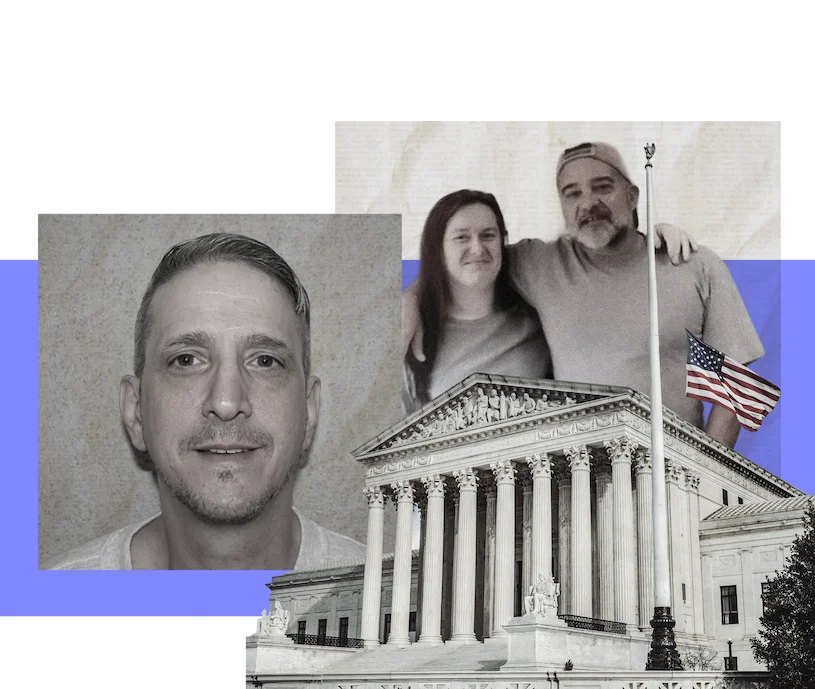
Richard Glossip (left), Jimmie 'Chris' Duncan (right)
Innocence Project clients Richard Glossip (left) and Jimmie "Chris" Duncan (right)
Bitemark icon
State v. Duncan

In Louisiana, a judge reversed Jimmie “Chris” Duncan’s capital murder conviction, finding that he is innocent and the bite mark testimony used to convict him is “no longer valid” and “not scientifically defensible.” Mr. Duncan, who has spent more than three decades on death row, was convicted of first-degree murder for the death of his girlfriend’s daughter in 1998. As a result of the latest ruling, he became the first person to be granted post-conviction relief under the state’s new innocence statute, which is now threatened by legislation imposing strict time limits on post-conviction relief applications. Mr. Duncan’s bail application and actual innocence finding are now before the Louisiana Supreme Court.

Tool icon
People v. Genrich

The Colorado Court of Appeals upheld the Mesa County District Court’s decision vacating Jimmy Genrich’s 1993 conviction for a series of pipe bombings in Colorado, bringing him one step closer to exoneration. The appellate court agreed that the toolmark evidence used to convict Mr. Genrich “was completely undermined by the new scientific evidence,” reinforcing our fight against the use of such unreliable evidence in court. The State has asked the Colorado Supreme Court to review the decision, a request we have opposed.

NYPD icon
NYP Holdings v. NYPD

In New York, the state’s highest court ruled that the 2020 repeal of civil rights law 50-a — which exempted police disciplinary records from the Freedom of Information Law (FOIL) — made records created before 2020 subject to public disclosure. This decision was consistent with the arguments in our amicus brief, which explained that police misconduct is a leading cause of wrongful convictions and that access to FOIL, including to records from before 2020, is vital for people seeking post-conviction evidence to prevent and uncover wrongful convictions.

Informant icon
Glossip v. Oklahoma

The U.S. Supreme Court granted a new trial to Richard Glossip, who has spent nearly three decades in prison, faced nine execution dates, and eaten three last meals after being convicted of masterminding a 1997 murder in Oklahoma. The court agreed with our amicus brief argument that the prosecution’s use of false informant testimony denied Mr. Glossip a fair trial. Its ruling affirms a key due process principle that frequently arises in efforts to prove wrongful convictions.

DNA icon
Gutierrez v. Saenz

In another significant decision, the U.S. Supreme Court held that Ruben Gutierrez, who was sentenced to death in 1998 for a robbery and murder in Texas, has standing to challenge the constitutionality of the state’s post-conviction DNA testing law. As we argued in our amicus brief, that law severely limited his ability to access evidence that could prove his innocence and/or ineligibility for the death penalty. The court’s ruling reinforces the rights of wrongly convicted people — including those on death row — to contest procedural barriers to DNA testing that may uncover exculpatory evidence.

Alongside our strategic litigation efforts, we worked nationwide, in partnership with our colleagues in the Innocence Network, to improve police practices, remove barriers to post-conviction relief and compensation, and protect key legislation that ensures fairness, transparency, and due process for everyone. We also brought together policy experts, researchers, and advocates for a two-day symposium on advocacy strategies to advance innocence work.

Eyewitness Identification Reform in Indiana
Eyewitness identification reform in Indiana

We made history in Indiana. Working with Leon Benson — an exoneree represented by the University of San Francisco School of Law’s Racial Justice Clinic who was wrongfully convicted due, in part, to mistaken eyewitness identification — as well as the Notre Dame Exoneration Justice Clinic and the Indiana Public Defenders Council, our policy team secured the state’s first eyewitness identification reform. Under this law, police must advise witnesses that the accused person may or may not be in the lineup, use fillers that match the witnesses’ description so the accused person doesn’t stand out, and record the witnesses’ confidence level at the time of identification.

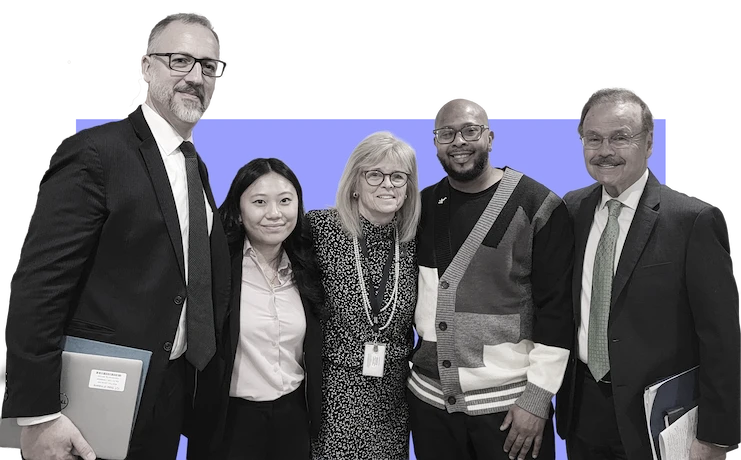
Five lawyers posing for photo

With the passage of this law, Indiana also became the first state to adopt guidelines for the use of facial recognition technology (FRT), a growing cause of wrongful arrests. Today, an FRT match cannot be the sole reason for putting a person in a lineup –  instead there must be additional evidence that supports the suspicion of criminal involvement. This is an important guardrail given the known flaws, inconsistencies, and misuse of this largely untested new tool.

Compensation Improvements in Oklahoma
Compensation improvements in Oklahoma

As a result of efforts by our policy team and the Oklahoma Innocence Project, Oklahoma made significant changes to its compensation law — eliminating the $175,000 overall limit and instead providing $50,000 for every year of wrongful incarceration. The law also provides an additional $50,000 for every year served on death row and $25,000 for time wrongfully spent on probation or parole. Furthermore, the legislation expands eligibility by allowing individuals who pleaded guilty to seek compensation — a pathway that was previously unavailable to them.

Strengthening Compensation in Florida
Strengthening compendation in Florida

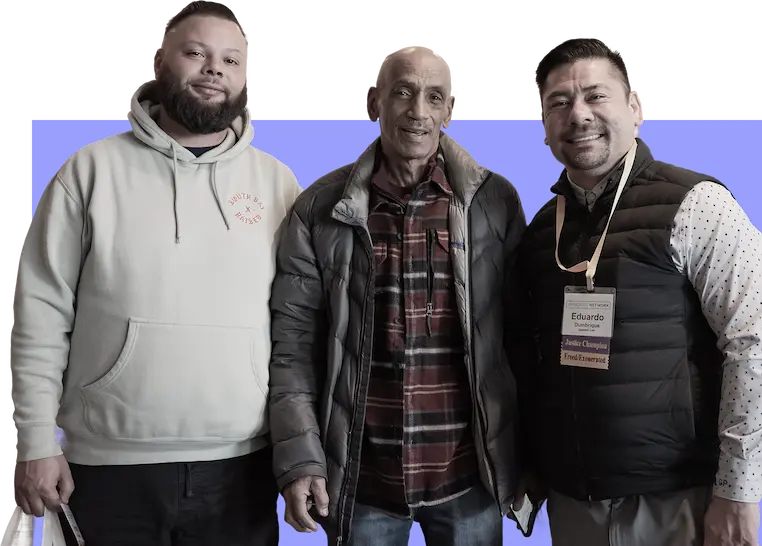
Working in collaboration with the Innocence Project of Florida, former Innocence Project clients Robert DuBoise and Clemente Aguirre-Jarquin, and former Innocence Project of Florida client Nathan Myers, we helped pass a groundbreaking law that eliminates longstanding barriers that prevented wrongfully convicted people in Florida from seeking compensation.

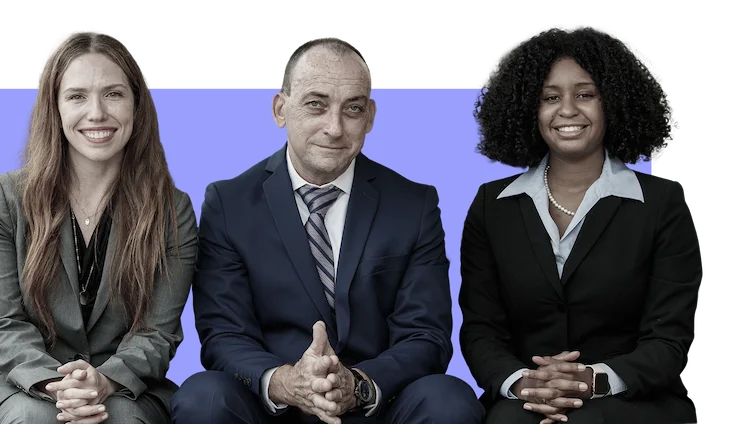
Robert DuBoise and two people next to him

Under the new law, prior criminal history is no longer a bar to eligibility for compensation for wrongful conviction and imprisonment. Additionally, exonerees now have up to two years to file for compensation instead of just 90 days, and they are no longer forced to waive their constitutional rights to pursue civil claims when filing a state compensation claim.

This victory was over a decade in the making and, as a result, 18 exonerees who were previously barred from seeking compensation now have the opportunity to do so.

Securing Post-Conviction Relief in Tennessee
Securing post-conviction relief in Tennessee

In conjunction with the Tennessee Innocence Project, our policy team successfully advocated for the reform of Tennessee law to make it easier for people convicted of a crime to present new evidence of innocence that was not considered during their trial.

Protecting Discovery in New York
Protecting discovery in New York

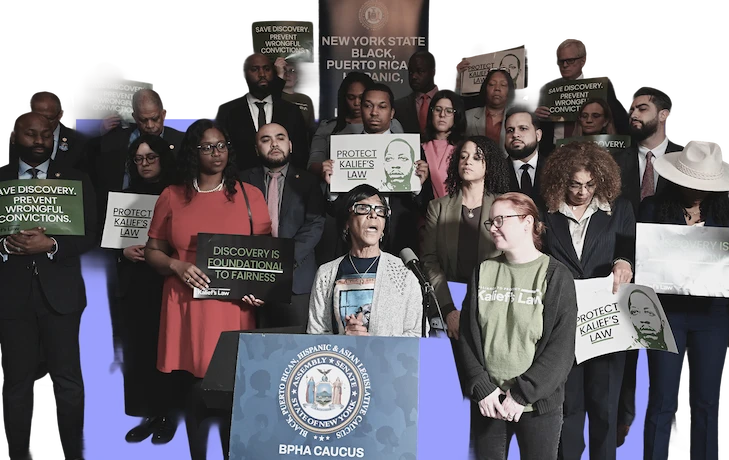
Prosecutors attempted to use the state budget process to roll back key discovery reforms — threatening to deny people accused of crimes timely access to the evidence against them and thereby undermine their ability to prove their innocence. We worked with impacted families, policy advocates, public defenders, and community organizers to ensure those protections remain largely intact.

People standing behind podium giving a speech

The advocacy of impacted people was central to this push. Renay Lynch, who was exonerated last year and now uses her platform to advocate for incarcerated women, Akeem Browder, whose brother Kalief inspired the discovery reforms, and the Alliance to Protect Kalief’s Law, a coalition that includes the Innocence Project, worked together in this hardfought effort.

Defending Discovery in Texas
Defending discovery in Texas

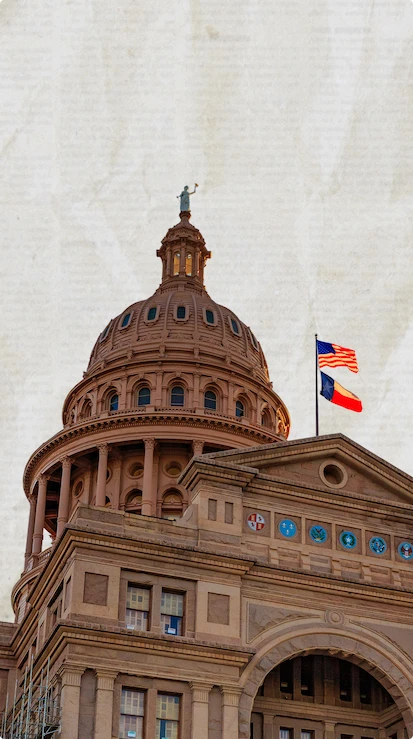
When prosecutors in Texas also pushed to erode the state’s landmark discovery law, the Michael Morton Act, the Innocence Project and Innocence Project of Texas led a successful defense. Their campaign featured an op-ed by former Innocence Project client Michael Morton — for whom the law is named — statewide media coverage, and advocacy from a broad coalition of faith leaders, defense attorneys, victim advocates, death penalty opponents, and exonerees, including Richard Miles, a former Centurion Ministries client, and the San Antonio Four, represented by the Innocence Project of Texas.

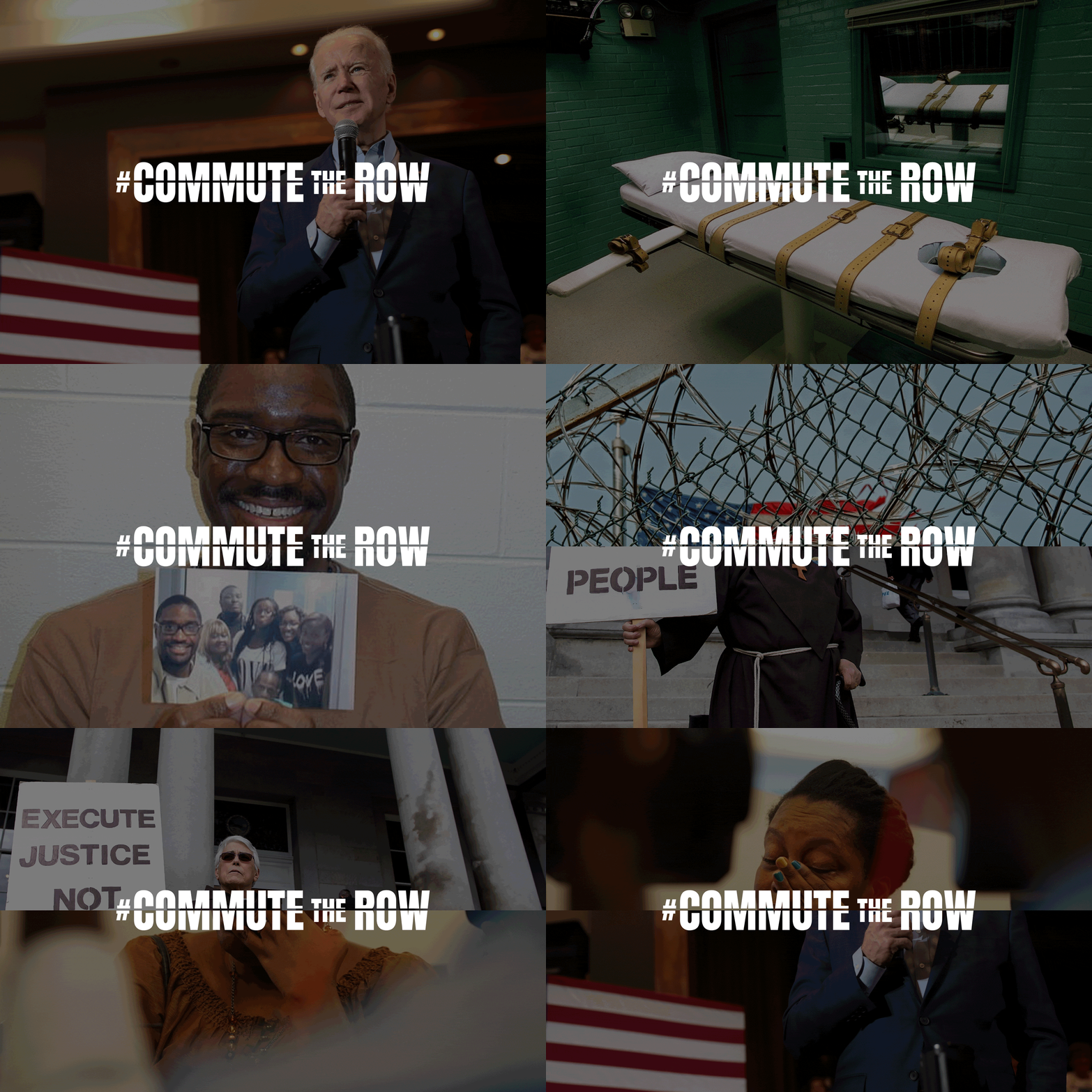
Former President Joe Biden - Commute the Row

Commute The Row

Because the capital punishment system poses the ultimate risk to innocent lives — as highlighted by cases like Marcellus Williams, Melissa Lucio, Rodney Reed, Jimmie “Chris” Duncan, Richard Glossip, Pervis Payne, and Robert Roberson — we joined the national #CommuteTheRow campaign and urged then-President Joe Biden to commute the death sentences of the 40 men on federal death row. Ultimately, the president commuted 37 of those sentences to life in prison without parole.

The hard-fought victories that we secured across the country would not have been possible without our allies, including Innocence Network organizations, advocates, and supporters. Through our collective efforts, the innocence movement made tremendous strides.

Advancing The Movement

Innocence Project Network Support Unit

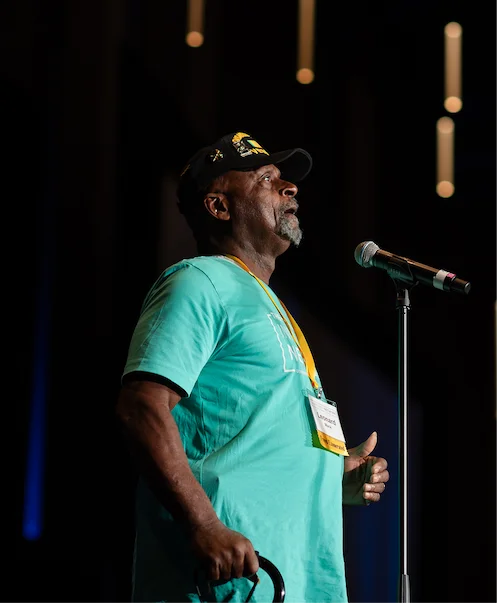
In 2025, our Network Support Unit helped bring the annual Innocence Network Conference in Seattle to life. The conference featured practical workshops on legal strategy, media, and evolving science — equipping innocence practitioners from partner organizations around the world with the tools they need to fight more effectively for justice — and trauma-informed sessions for freed and exonerated people and their families. 

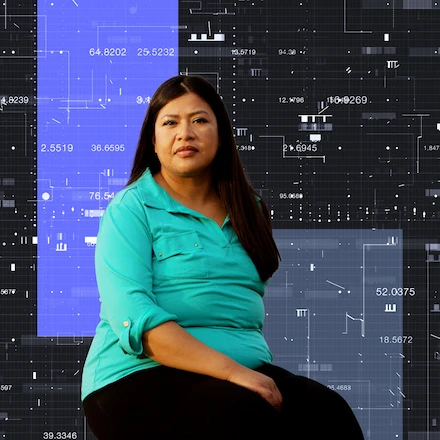
At the same time, our data science & research team worked painstakingly behind the scenes to rebuild our data environment while leading essential conversations around the latest research findings, initiatives that researchers worldwide rely on as they work to understand and quantify wrongful convictions. 

Our communications team substantially grew our digital presence while building support for Robert Roberson, who faced execution in October despite strong evidence of his innocence. 

Together, these teams drove our mission forward with renewed urgency and purpose.

2025 Innocence Network Conference

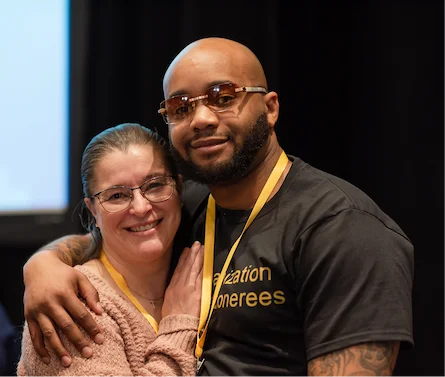
In April, nearly 1,200 members of the innocence community, including litigators, social workers, advocates, and more than 450 freed and exonerated people and their families, attended the Innocence Network Conference in Seattle, which was a resounding success and garnered terrific coverage in the Seattle Times.

As always, our social work team played a vital role, covering travel costs, managing arrangements and offering emotional support for 35 freed and exonerated Innocence Project clients and their families. Our social work team also hosted sessions on topics such as the impact of wrongful convictions on relationships and identity formation, and how racism and homophobia contribute to wrongful convictions.

Just Data: Advancing the Movement

Building on the momentum from our previous virtual scientific research conferences, our data science and research team organized a “Just Data: Advancing the Movement” webinar that showcased groundbreaking research on death investigations involving medical examiners and law enforcement. The event drew more than 400 attendees.

A woman sitting in front of data

Award-Winning Storytelling

More broadly, we attracted more than 191 million content views across all of our digital and social channels, earned a bronze Telly Award for our “Homecoming” video series, which follows the stories of five exonerees, and were selected as Webby honorees for last year’s annual report, “My Liberty Depends on You Being Free.”

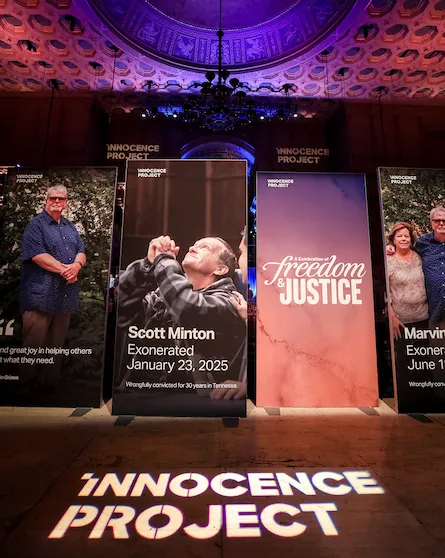
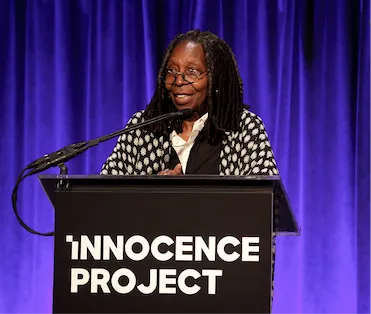
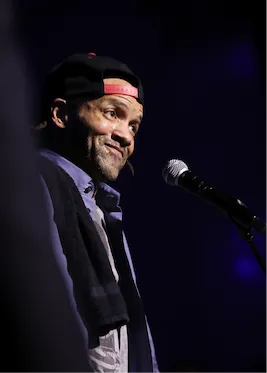
Celebrity appearances at 2025 Celebration of Freedom & Justice annual gala

2025 Celebration of Freedom & Justice

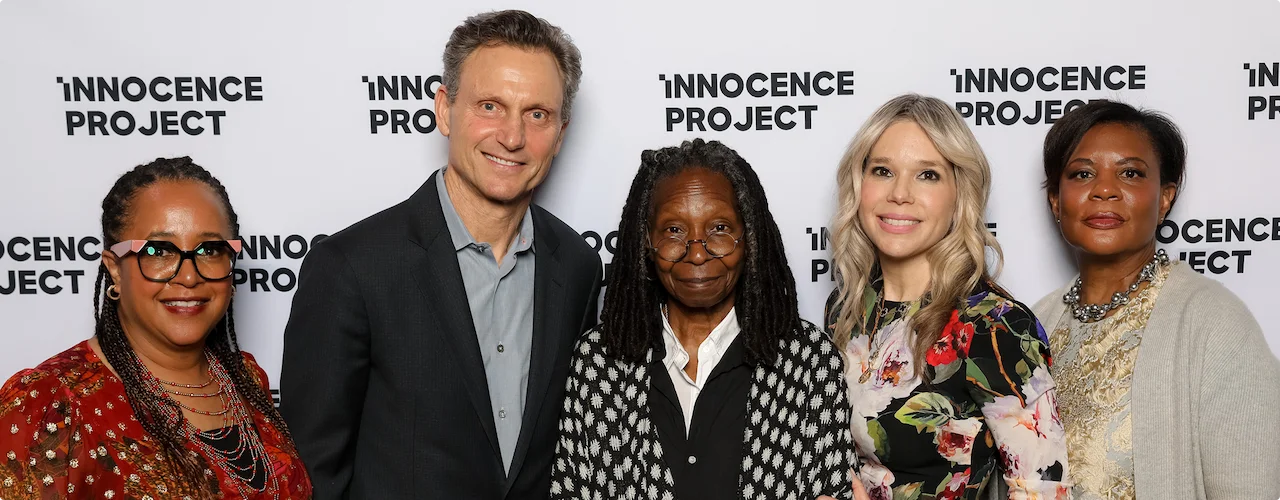
On May 7, 2025, Innocence Project clients, supporters, and staff came together for our annual gala, “A Celebration of Freedom & Justice.” It was a night of unforgettable moments for the over 600 guests at Cipriani Wall Street, highlighting the grace and perseverance of freed and exonerated people.

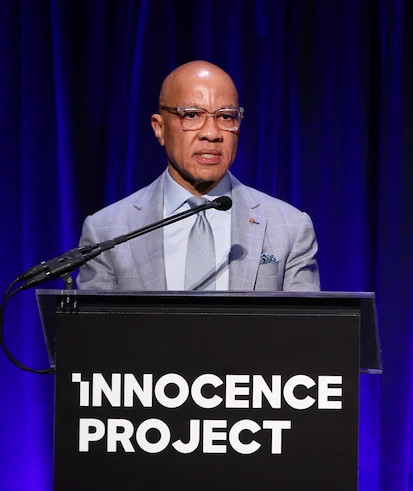
Whoopi Goldberg entertained the crowd as the evening’s host, and guests were treated to a riveting performance from Savion Glover and Tony Goldwyn. Cornelius Dupree shared his story of finding hope and purpose after his exoneration. Honorees Darren Walker and Laura Burstein spoke of the urgency of the Innocence Project’s work. In the night’s moving and inspiring conclusion, the room saluted more than 40 freed and exonerated people as they were welcomed to the stage to uproarious applause. 

The extraordinary celebration raised nearly $2 million in partnership with co-chairs Sara Naison-Tarajano, Alondra Nelson, and Tony Goldwyn. It was an impassioned and galvanizing evening that showcased the strength, resilience, and resolute commitment of the Innocence Project’s dedicated community.

2025 Gala Honorees
Darren Walker, President, Ford Foundation
Darren Walker
President, Ford Foundation

Darren Walker is president of the Ford Foundation, a $16 billion international social justice philanthropy. Under his leadership, the Ford Foundation became the first non-profit in US history to issue a $1 billion-designated social bond to stabilize non-profit organizations in the wake of COVID-19.

Before joining Ford, Mr. Walker was vice president at the Rockefeller Foundation, overseeing global and domestic programs. In the 1990s, he was COO of the Abyssinian Development Corporation, Harlem’s largest community development organization. Mr. Walker co-founded both the U.S. Impact Investing Alliance and the Presidents’ Council on Disability Inclusion in Philanthropy. He serves on many boards, including the National Gallery of Art, Carnegie Hall, the High Line, the Smithsonian National Museum of African American History & Culture, Committee to Protect Journalists, Ralph Lauren, Bloomberg Inc., and PepsiCo.

Educated exclusively in public schools, Mr. Walker was a member of the first Head Start class in 1965 and received BA, BS, and JD degrees from the University of Texas at Austin. He has been included on numerous leadership lists, including Time’s annual “100 Most Influential People,”

Rolling Stone’s “25 People Shaping the Future,” and The Wall Street Journal’s “2020 Philanthropy Innovator of the Year.” He is the recipient of 16 honorary degrees, including Harvard University’s W.E.B. Du Bois Medal. In 2022, he was awarded France’s highest cultural honor, the Commander of the Ordre des Arts et des Lettres, for leadership in the arts. In 2023, he was also appointed by Her Majesty, Queen Elizabeth II to the Order of the British Empire for services to U.K./U.S. relations. In 2024, President Joe Biden awarded Mr. Walker the National Humanities Medal, which honors individuals or groups whose work has deepened the nation’s understanding of and engagement with history, literature, languages, philosophy, and other humanities subjects.


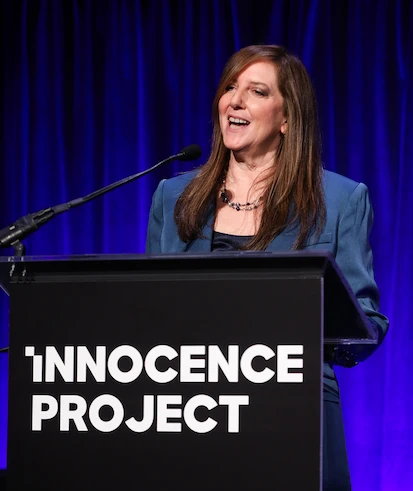
Laura Burstein, Director, Capital Litigation Communications Project
Laura Burstein
Director, Capital Litigation Communications Project

Laura Burstein is the founder and director of the Capital Litigation Communications Project (CLCP). Since 1996, Ms. Burstein has designed and implemented media strategies for death penalty cases in state and federal courts, including more than 20 U.S. Supreme Court cases. Ms. Burstein and her CLCP colleagues have helped legal teams gain relief for dozens of death row clients, including many who were innocent, and have led numerous high-profile clemency campaigns. 

Ms. Burstein plays a crucial role within the death penalty abolition movement, connecting attorneys, advocates, and unlikely allies with the media. She and her colleagues have helped propel the death penalty issue to front-page news, educating journalists, decision makers, and the public about the racism, arbitrariness, and other flaws endemic to the capital punishment system. 

CLCP was established in 2007 with the support of renowned attorney George Kendall at the law firm of Squire Patton Boggs.

Prior to CLCP, Ms. Burstein directed communications departments at two national policy organizations, Institute for Policy Studies and The Justice Project, and served as a senior media relations associate at the social justice public relations firm Fenton Communications.

Ms. Burstein is a co-recipient of the Light of Justice award from Texas Defender Service (2017), the Defender of Innocence Award from the Mid-Atlantic Innocence Project (2010), and the Social Justice Advocacy Award from Bleakhouse Publishing (2009). She shared in two top PR industry awards, The Silver Anvil and the Bulldog Reporter, for her work on environmental issues and was one of the “Top Ten Media Heroes of the Year” (1994) for her work with Haitian refugees.


Leonard Mack

Ways to Give

Together, we can continue to help free innocent people and transform the criminal legal system. Donate today.

View More Ways to Give
Statement of Activities — FY25

(excluding pro bono activities)

Revenue
Individuals
$25,628,579 65%
Foundations
$7,421,164 19%
Corporations
$1,995,653 5%
Events
$1,242,722 3%
Investments
$2,791,540 7%
Other Income
$423,988 1%
Total Revenue $39,503,646
Expenditures
Program
$22,792,461 72%
Management & General
$4,730,352 15%
Fundraising
$4,024,808 13%
Total Expenditures $31,547,621
Expenses by Department
Communications
$3,389,469 11%
Development
$3,596,211 11%
Executive
$2,020,579 6%
Finance
$3,096,547 10%
Human Resources
$1,918,424 6%
Intake
$2,752,565 9%
Network Support Unit
$2,165,450 7%
Policy
$3,278,302 10%
Post-conviction Litigation
$5,347,818 17%
Data Science & Research
$719,925 2%
Social Work
$1,252,216 4%
Strategic Litigation
$2,010,115 6%
Total Expenditures $31,547,621
Fiscal Year 2025 Donors Scroll within each card to see all names
From Our Donors
William H. (Bill) Neukom
Our Donor William H. (Bill) Neukom - Innocence Project

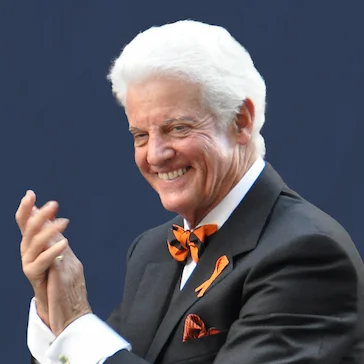
The Innocence Project fondly remembers William H. (Bill) Neukom, who passed away in July 2025. Mr. Neukom, his children, and the Neukom Family Foundation have generously supported the Innocence Project for more than 30 years. We are honored to have been a part of Mr. Neukom’s legacy and lifelong work to strengthen the rule of law.

Mr. Neukom was a brilliant and highly creative lawyer. He served as Microsoft’s first general counsel, president of the American Bar Association, and chairman of Preston Gates & Ellis (now K&L Gates). He was an educator at Stanford Law School, where he established the Neukom Center for the Rule of Law. He expressed his love of baseball as managing partner and CEO of the San Francisco Giants.
He was also the founder and chief executive officer of the World Justice Project (WJP). Through that project, his leadership on many nonprofit boards, and his philanthropy, Mr. Neukom combated corruption and advanced peace, justice, and equity around the world. The WJP and IP have many shared goals, and Mr. Neukom frequently provided his keen insights and advice to our leadership.

The IP is stronger for Mr. Neukom’s three decades of support for our work, and grateful for his leadership. We continue the fight for justice in his memory.

Our Team Scroll within each card to see all names
Board of Directors
  • Alondra Nelson
    Harold F. Linder Professor, Institute for Advanced Study
  • Andrew H. Tananbaum
    Innocence Project Board Assistant Treasurer
  • B.J. Rosen
    Senior Outside Legal Advisor, Innocence Project
  • Brett Hart
    President, United Airlines
  • Cedric L. Alexander
    Retired Police Administrator
  • Cynthia Augustine
    Global Chief Talent Officer, FCB
  • Ekow N. Yankah
    Thomas M. Cooley Professor of Law and Professor of Philosophy, University of Michigan
  • Gordon DuGan
    Innocence Project Board Treasurer
  • Jack Taylor
    Innocence Project Board Chair
  • Janet Reno
    Board Director Emeritus 2010-2016
  • Jennifer L. Eberhardt
    Social Psychologist, Stanford University
  • Jessica A. Roth
    Professor of Law, Benjamin N. Cardozo School of Law Yeshiva University
  • John Grisham
    Author
  • Marvin L. Anderson
    Retired Fire Chief
  • Sara Naison-Tarajano
    Partner, Goldman Sachs
  • Steven Alan Reiss
    Retired Partner, Weil, Gotshal & Manges LLP
  • Tony Goldwyn
    Actor, Director and Producer
  • Vered Rabia
    Innocence Project Board Vice Chair
  • Yusef Salaam
    Motivation Speaker, Yusef Speaks
Exoneree Advisory Council
  • Angel Gonzalez
  • Johnny Hincapie
  • Marvin Anderson
  • Michelle Murphy
  • Stefon Morant
  • Termaine Hicks
  • Tyra Patterson
Founders' Circle
  • Betty Anne Waters
  • Bill Ackman
  • Daniel Shuchman & Lori Lesser
  • Darrel W. Stephens
  • Dianne & John Moores
  • Frank Quattrone & Denise Foderaro
  • Fred & Jutta Benenson
  • Howard & Wilma Kaye
  • Ivy Beth Lewis
  • Jawed Karim
  • Jeffrey Gural
  • Karen Herskovitz Ackman
  • Kathryn Greenberg
  • Laura & John Arnold
  • Maddy deLone
  • Matthew Rothman
  • Rodney Ellis
  • Sherry Frumkin
  • Stephen Schulte
  • Thomas & Evon Cooper
  • Valerie Jarrett
Staff (A-J)
  • Abbey McHugh
    Digital Fundraising Manager
  • Adnan Sultan
    Senior Staff Attorney, PCL Resource and Training Supervisor
  • Alicia Maule
    Digital Engagement Director
  • Alyxaundria Sanford
    Digital Engagement Specialist
  • Amanda Wallwin
    State Policy Advocate
  • Ana Maria Diaz
    Case Associate
  • Anastasia Heeger
    Director of Post-Conviction Litigation
  • Andrew Lee
    Senior Staff Attorney; Supervisor, PCL-Intake Liaison
  • Angie Louie
    Senior Staff Attorney, Evidence Search Project Supervisor
  • Ava Lopez
    Policy Assistant
  • Ava Master
    Assistant Director of Individual Giving
  • Barry Scheck
    Co-Founder and Special Counsel
  • Bay Scoggin
    State Policy Advocate
  • Bella Cooper
    Post-Conviction Litigation Fellow
  • Bhavan Sodhi
    Chief Program Officer
  • Caitlin Murray
    Assistant Director of Network Stakeholder Engagement
  • Carrie Baker
    Director of Talent
  • Celeste Vargas
    Case Analyst
  • Charlene Lake
    Intake Assistant
  • Chloe Hughes
    Director of Individual and Major Giving
  • Christina Williams
    Post-Conviction Litigation Fellow
  • Christina Swarns
    Executive Director
  • Corinne Padavano
    Chief People and Culture Officer
  • Cristian Rodriguez
    Receptionist
  • Crystal Ortiz
    Assistant Director of Special Events
  • Debra Fulton
    Case Analyst
  • Dominique De Lisle
    Gift Processing Associate
  • Donald Katz
    Intake Assistant
  • Donna Kenton
    Volunteer Coordinator
  • Elena Aviles
    Interim Intake Director
  • Elena Orlando
    Case Analyst
  • Elizabeth Roka
    Paralegal
  • Elizabeth Vaca
    Executive Assistant to the Co-Founders
  • Emilie Winter
    Case Analyst
  • Erika Lago
    Assistant Director of Total Rewards
  • Fiona Guthrie
    Chief Communications Officer
  • Gabriel Lopez
    Case Management Database Coordinator
  • Gemma Walker
    Paralegal
  • Hannah Fitzsimons
    Staff Attorney
  • Isabel Vasquez
    Communications and Speakers Bureau Manager
  • Isabella Bolayon
    Paralegal
  • Isabelle Cohn
    Forensic Science Policy Associate
  • Jack Duran
    Creative Lead
  • Jackson Stark
    Gift Processing and Engagement Associate
  • Jaime Henderson
    Director of Data Science and Research
  • James Mullins Jr
    Weil Innovator Fellow
  • Jamillah Burgin
    Director of Operations
  • Jane Pucher
    Senior Staff Attorney, Fellowship and Legal Clinic Supervisor
  • Jasmeen Nijjar
    Social Worker
  • Jeffrey Johnson
    Office Manager
  • Jessica Spencer
    Staff Attorney
  • Jessica Diaz
    Document Manager
  • Jessica Rawlins Smith
    Chief Development Officer
  • Ji-Hye Rhee
    Paralegal
  • Joseph Martinez
    Data Solutions Manager
  • Joseph Thompson
    Chief Financial Officer
  • Joseph Donato
    Director of IT
  • Jule Hall
    Assistant Director of Ambassadors and External Programs
  • Julia Moran
    Policy Researcher
  • Julia Lucivero
    Interim Strategic Communications Director
  • Justin Chan
    Director, Editorial
  • Justin Rodriguez
    Assistant Director of Institutional Giving
Staff (K-Z)
  • Kaleena Aviles
    Administrative Assistant to the Executive Director
  • Kamaria Brisseau
    Director of Finance
  • Kanani Schnider
    Senior Paralegal, Post-Conviction Litigation Fellowship Program
  • Kayla Martin
    Post-Conviction Litigation Fellow
  • Keenan Pace
    Director of Institutional Giving
  • Keli Young
    State Policy Advocate
  • Khaled Zayed
    IT Manager
  • Kyana Champion
    Senior Social Worker
  • La-Trinnia Braxton
    Director of Development Operations and Data Systems
  • Lauren Gottesman
    Senior Staff Attorney
  • Lauren Schlansky
    Senior Case Analyst and Investigator, Intake Strategic Initiatives
  • Leland Hurley
    Administrative Assistant
  • Liv Chalfin
    Paralegal
  • Lora Napier
    Administrative Assistant
  • M. Chris Fabricant
    Director of Strategic Litigation (Joseph Flom Special Counsel)
  • Marc Vega
    Interim Intake Director
  • Mary Jane Builes
    Development Assistant
  • Matthew Wasserman
    Staff Attorney
  • Megan McIlroy
    Strategic Communications Director
  • Meredith Kennedy
    Director, Innocence Network Support Unit
  • Michael Coleman
    Staff Accountant
  • Mitha Nandagopalan
    Staff Attorney
  • Monica Gonzalez
    Individual Giving Coordinator
  • Mrinali Dhembla
    Digital Coordinator
  • Natasha Jhala
    Director of Marketing and Brand Partnerships
  • Nathaniel Hutchinson
    Research Data Manager
  • Olivia Barnes
    Policy Administrator
  • Patrick Morris
    Staff Accountant
  • Peter Neufeld
    Co-Founder and Special Counsel
  • Phoebe Jones
    Case Analyst
  • Prama Verma
    Manager, Development & Network Capacity Building
  • Rachel Gaudreau
    Paralegal
  • Ricardo Hernandez
    Director of Digital Fundraising
  • Richard Washington
    IT Coordinator
  • Robyn Jefferson
    Senior Paralegal, Post-Conviction Litigation Fellowship Program
  • Rodney Roberts
    Re-Entry Coach
  • Sandhya Boyd
    In House Counsel
  • Sarah Jean-Charles
    Legal Assistant
  • Shabel Castro
    Staff Attorney
  • Shannon Weaton
    Recruitment Manager
  • Shirley Wu
    Innocence Network Coordinator
  • Shoshanah Kennedy
    Manager of Events and Engagement
  • Stacey Anderson
    Policy Counsel
  • Susan Hyon
    Executive Administrator and Board Liaison
  • Suzy Salamy
    Director of Social Work
  • Tebah Browne
    Forensic Science Policy Specialist
  • Tim Gumkowski
    Senior Staff Attorney
  • Ummer Ali
    Social Worker
  • Vanessa Potkin
    Director of Special Litigation
  • Vanessa Meterko
    Research Manager
  • Vanessa Ortiz
    Assistant Director of Organizational Development
  • Walter Katz
    Director of Policy
  • Winnie Ye
    State Policy Advocate
  • Yosha Gunasekera
    Staff Attorney, Intake Strategic Initiatives
  • Ysabel Coss
    Donor Relations and Stewardship Coordinator
  • Zawar Ahmed
    Paralegal
  • Zeus Rivera
    People and Culture Manager

Thank You

Our work to free wrongly convicted people, fix the broken systems that robbed them of their freedom, and advance the innocence movement is only possible because of your unwavering support. We are sincerely thankful for your commitment to our cause and shared pursuit of justice.

Read Report as PDF

Photo credits, in order of appearance: Alyssa Pointer/Innocence Project, Courtesy of the Hemme family, Courtesy of Sandra Hemme’s legal team, Courtesy of Ron Jacobsen, Ilana Panich-Linsman/Innocence Project, Courtesy of Marcellus Williams’ legal team, Courtesy of Save Richard Glossip, Courtesy of the Duncan family, Courtesy of Leon Benson, Casey Brooke Lawson/Innocence Project, Courtesy of The Bronx Defenders, Jeenah Moon/Innocence Project, Lyra Photography, Mary Kang/Innocence Project, Matthew Adam Photography, Mike Deerkoski/Wikimedia Commons, September Bottoms/Innocence Project